

Booking a Back-to-School Eye Exam in Winchester: What MA Parents Need to Know About Vision Screenings vs. Comprehensive Exams
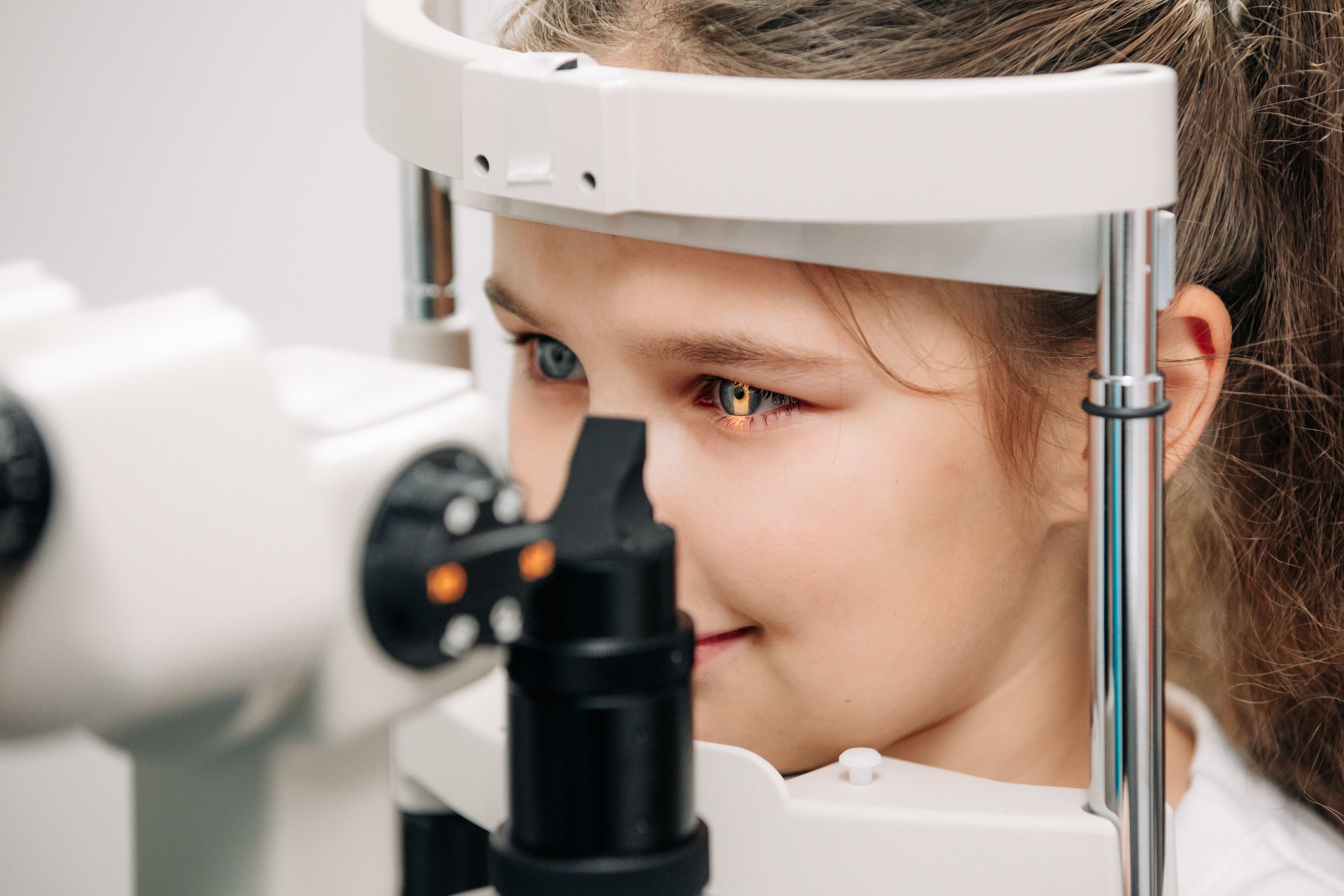
As Massachusetts families prepare for a new school year, backpacks, supplies, and updated schedules often receive most of the attention. However, clear and comfortable vision is also essential for classroom success. Children rely on their eyes to read, write, use digital devices, copy from the board, and participate in sports.
A school vision screening can provide helpful information, but it is not a replacement for a comprehensive eye exam. Booking a back-to-school eye exam in Winchester gives parents a more complete understanding of their child’s vision and eye health before academic demands increase.
What Does a School Vision Screening Check?
A school vision screening is typically designed to identify children who may have difficulty seeing clearly at a distance. A student may be asked to read letters, numbers, or symbols on an eye chart. If the child does not meet the screening standard, the school may recommend further evaluation.
Screenings are valuable because they can alert families to possible concerns. However, they do not diagnose the cause of blurry vision or examine every visual skill used in the classroom. The American Optometric Association explains that children who pass a vision screening can still have an eye health or vision problem that requires professional care.
How Is a Comprehensive Pediatric Eye Exam Different?
A comprehensive pediatric eye exam evaluates much more than distance clarity. At Winchester Optical, an eye exam includes an assessment of vision, prescription needs, eye movements, and overall eye health. The practice also uses technology such as digital acuity charts, retinal imaging, and instruments that help evaluate different structures of the eyes.
Testing is adapted to the child’s age and abilities. A pediatric eye exam may evaluate:
- Near and distance visual clarity
- Nearsightedness, farsightedness, and astigmatism
- Eye tracking and alignment
- How effectively the eyes work together
- The ability to focus and change viewing distances
- The internal and external health of the eyes
- Whether glasses or another form of care is needed
These details matter because a child may see the classroom board clearly but still experience difficulty reading, maintaining focus, or coordinating the eyes during close work.
Signs Your Child May Need an Eye Exam
Children do not always realize that they have a vision problem. They may assume everyone experiences the same blur, headaches, or difficulty following words across a page.
Winchester parents should pay attention when a child frequently squints, rubs their eyes, holds books close, covers one eye, loses their place while reading, or complains of headaches after school. Avoiding homework, struggling to copy from the board, or sitting unusually close to screens can also indicate that an examination is needed.
Winchester Optical notes that pediatric exams can identify refractive errors, eye alignment concerns, and other conditions that may affect a child’s learning, confidence, and development.
Why Schedule Before School Starts?
Scheduling a comprehensive eye exam before the first day of school provides time to address any concerns that are found. If a child needs glasses, parents can choose frames, order lenses, and allow the child to become comfortable wearing them before returning to class.
An early appointment also creates a baseline for monitoring future changes. Children’s prescriptions can shift as their eyes grow, particularly during the school years. Regular eye exams help parents avoid relying only on visible symptoms or waiting until classroom performance is affected. The American Optometric Association recommends making a comprehensive eye exam part of the annual back-to-school routine because vision can change frequently in childhood.
Help Your Child Begin the Year With Clearer Vision
A school screening is a useful first step, but it cannot provide the detailed information available during an examination with an optometrist. A comprehensive pediatric eye exam can identify vision concerns, assess eye health, and help ensure your child has the visual support needed for reading, screen use, sports, and daily learning.
Schedule your child’s back-to-school eye exam with Winchester Optical at 888 Main St., Winchester, MA 01890, by calling (781) 214-3990.

All Eye
Care Services

Keep
In Touch

- Monday 9:00am - 5:00pm
- Tuesday 9:00am - 7:00pm
- Wednesday 9:00am - 5:00pm
- Thursday 9:00am - 7:00pm
- Friday 9:00am - 5:00pm
- Saturday Closed
- Sunday Closed


Powered by: 