

Understanding a Keratoconus Diagnosis
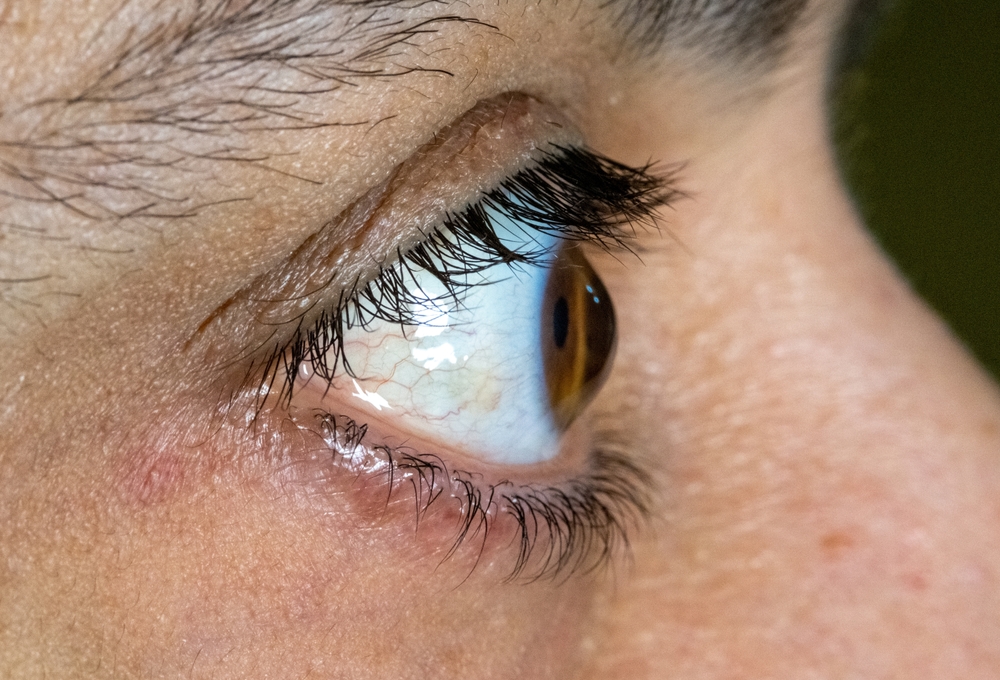
A keratoconus diagnosis can come as a surprise, especially when vision changes seem sudden or hard to correct with glasses. Keratoconus is a condition that affects the shape of the cornea and can significantly impact visual clarity. With the right information and care, however, it is a condition that can be effectively managed.
What Is Keratoconus?
Keratoconus is a progressive eye condition in which the cornea gradually thins and bulges outward into a cone shape. Because the cornea plays a critical role in focusing light, this change in shape can lead to distorted or blurry vision.
Keratoconus often begins in the teenage years or early adulthood and may progress over time. The rate of progression varies from person to person, which is why early diagnosis and regular monitoring are so important.
Common Signs and Symptoms
Many patients notice changes in their vision long before receiving a diagnosis. Symptoms can include:
Blurry or distorted vision
Increased sensitivity to light and glare
Frequent changes in glasses or contact lens prescriptions
Difficulty seeing clearly at night
Ghosting or halos around lights
If standard glasses no longer provide clear vision, it may be a sign that keratoconus is affecting the shape of the cornea.
How Keratoconus Is Diagnosed
A comprehensive eye exam is essential for diagnosing keratoconus. Advanced corneal imaging and topography allow your eye care provider to map the shape and thickness of the cornea in great detail. These tools help detect keratoconus early and guide appropriate treatment recommendations.
What Comes Next?
While glasses may help in the early stages, they often become less effective as keratoconus progresses. This is where specialty contact lenses play a vital role.
Specialty lenses are designed to compensate for the irregular corneal shape, providing clearer, more stable vision than traditional soft lenses. Depending on your individual needs, options may include:
Rigid gas permeable (RGP) lenses
Hybrid lenses that combine a rigid center with a soft outer skirt
Scleral lenses that vault over the cornea and rest on the whites of the eye
These lenses don’t just improve vision - they can also enhance comfort and quality of life for people living with keratoconus.
Managing Keratoconus Long-Term
Keratoconus is a manageable condition, especially with early detection and proper care. Regular eye exams allow your provider to track changes over time and adjust your treatment as needed. In some cases, patients may be referred for additional procedures to help stabilize the cornea, while specialty contact lenses remain a cornerstone of vision correction.
Take the Next Step at Winchester Optical
Keratoconus is a progressive condition - but with the right care, its impact on your vision doesn’t have to be. Today’s diagnostic technology and specialty contact lenses allow for customized solutions that go far beyond standard vision correction.
Schedule your keratoconus evaluation at Winchester Optical and learn more about personalized specialty contact lens options. Visit our office in Winchester, Massachusetts, or call (781) 214-3990 to book an appointment today.

All Eye
Care Services

Keep
In Touch

- Monday 9:00am - 5:00pm
- Tuesday 9:00am - 7:00pm
- Wednesday 9:00am - 5:00pm
- Thursday 9:00am - 7:00pm
- Friday 9:00am - 5:00pm
- Saturday Closed
- Sunday Closed


Powered by: 